3D Lab – Professional 3D Printing in Tallinn, Custom Parts and Bambu Lab & Sunlu Filaments

Has a part broken on your model, household appliance or specialised device, and it’s impossible to find as a spare? Or do you need a one-off custom upgrade part for your RC car? Welcome to the 3D Lab, where technical ideas become real parts. We offer FDM (Fused Deposition Modeling) 3D printing services in Estonia, from single prototypes and replacement functional parts to larger production batches. Bring your broken original part or a ready 3D file (STL/STEP) to our hobby shop in Tallinn, and we’ll give it a new life.
In addition to our printing service, our online shop offers 3D printing filaments from leading manufacturers, in two main groups:
- Bambu Lab filaments: official materials from the world’s best-known printer manufacturer. Choose from the popular, strong and easy-to-print Bambu Lab PLA Basic, durable PETG Basic, and PETG HF (High Flow) for high-speed printing. To save money and reduce waste, we also offer refill filaments supplied without a plastic spool. For RC parts that need maximum strength, there is carbon-fibre-reinforced PETG-CF and heat-resistant ABS.
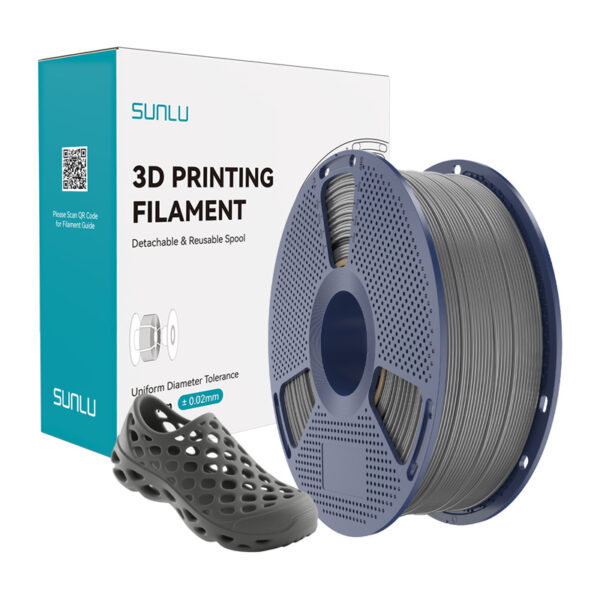
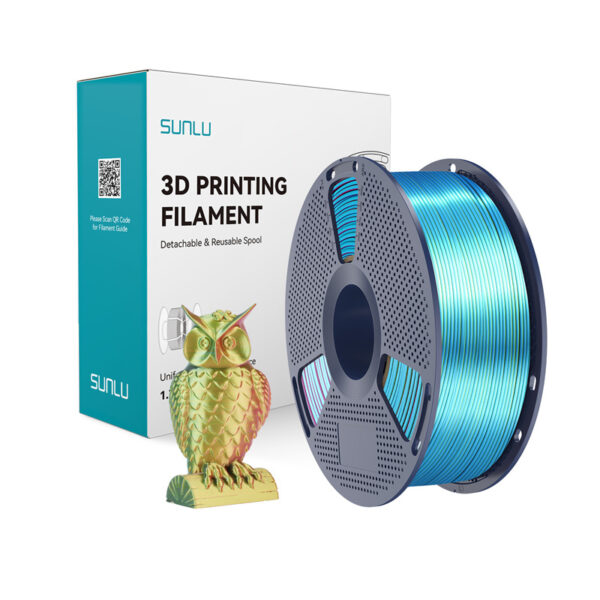
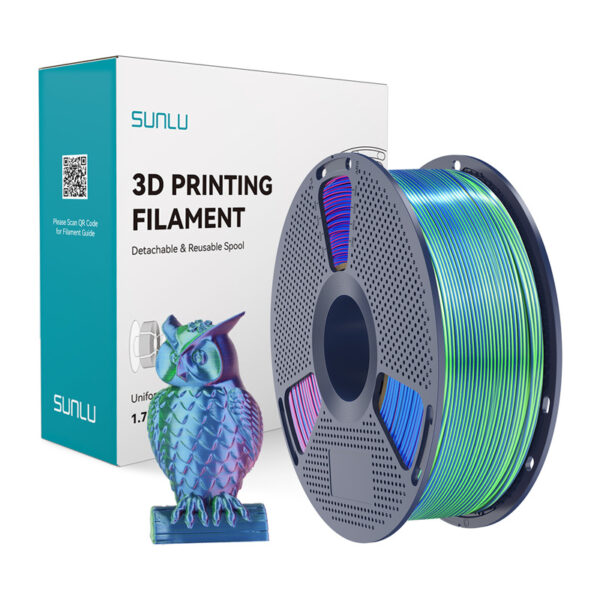
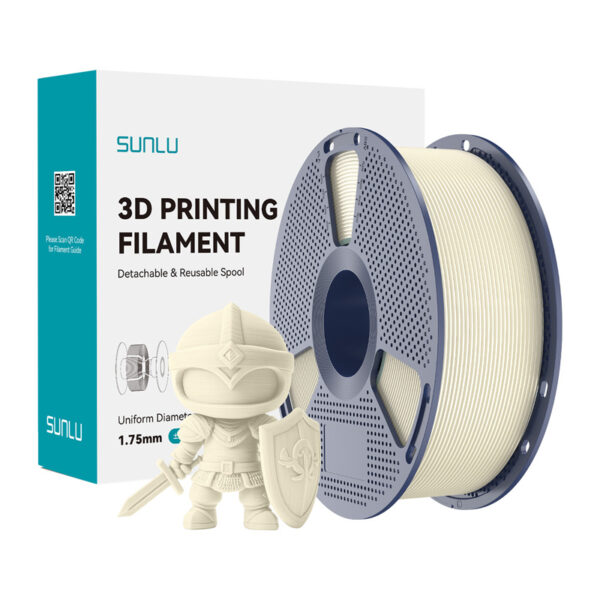
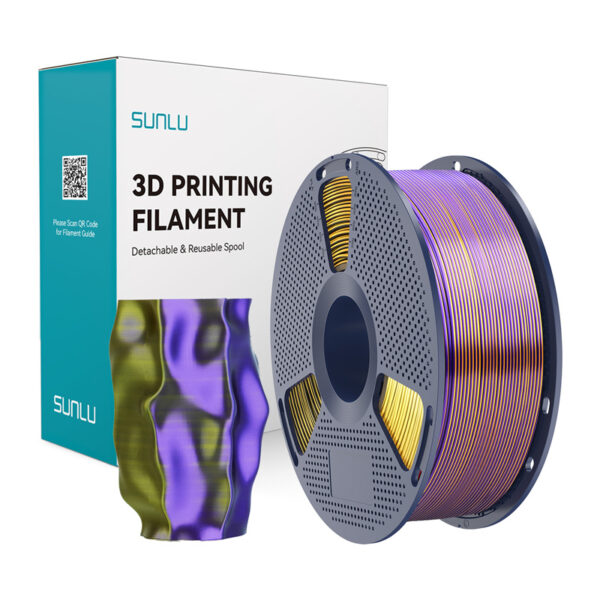
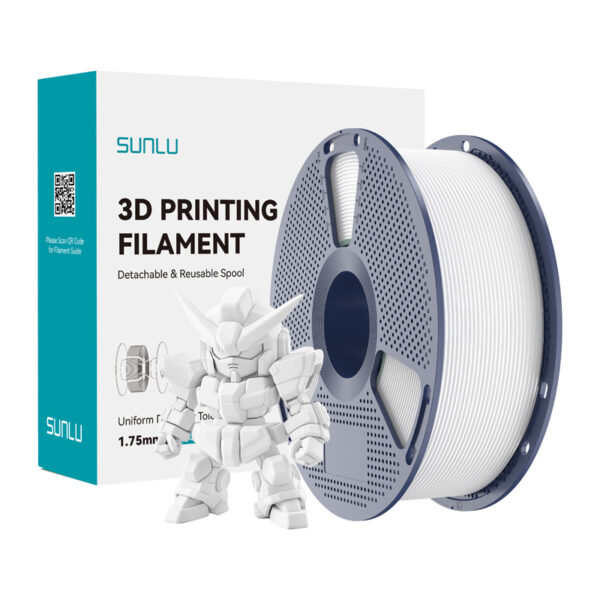
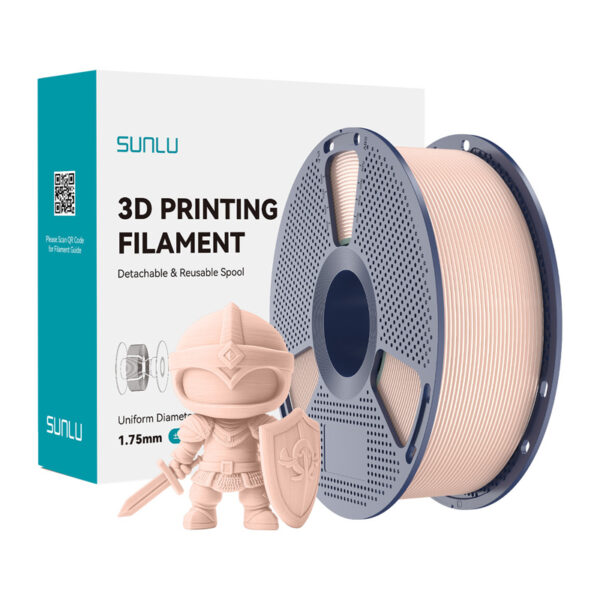
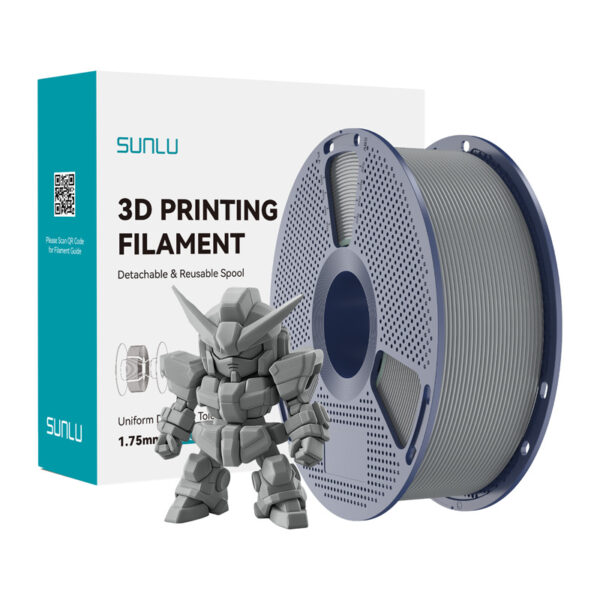
- Sunlu filaments: a reliable brand that is popular with modellers and offers great value for money. Choose from affordable, quality Sunlu PETG in several colours (grey, black, white, ivory), High Speed Matte PETG with a fine matte finish, or the technical nylon Sunlu PA Easy, which offers excellent wear resistance and flexibility.
How to order 3D printing? Ordering a custom part is easy. See the instructions below on how to send us an enquiry. If you need fresh filament for your own printer, visit the “3D Printer Filaments” category in our shop.
Custom parts
Is an important part missing or broken? The solution may be to model and 3D print a new one. ClayPitRC makes a number of its own products using 3D printing, and we also make one-off custom solutions to your needs. The main limitation of 3D printed parts is size: our printer can print parts up to approx. 320 mm in each axis. Larger parts can be printed in sections and glued together.
The price of the service depends on the part itself, the time needed to create the CAD model, and the printing material. Below is a table of the materials we keep in stock, with short descriptions to help you choose the best plastic for your part.
Main properties of materials
| PLA | Easy to use, eco-friendly, biodegradable, wide range of colours. Low heat resistance (starts to soften at 57 °C), not UV resistant. Stiff and strong, but brittle on impact. Besides basic PLA, many versions with various additives are available. Affordable price for the Basic version (~€20/kg); special versions with additives may cost more. |
| PLA Matte | Properties similar to PLA, but with a matte surface finish. |
| PETG | Good range of basic colours. Better impact resistance than PLA, but not as stiff. Weaker layer adhesion than PLA. UV resistant (suitable for outdoor use) and higher heat resistance (starts to soften at 69 °C). Also available as a clear (transparent) version. Price similar to PLA, so relatively affordable. Slightly harder to print, as it needs higher temperatures. |
| PETG-CF | PETG reinforced with carbon fibre, which changes the mechanical properties of the printed part, giving better flexibility (deflection before breaking) and impact strength. Glossy surface. Also better heat resistance (starts to soften at 74 °C). As it contains abrasive carbon fibre, it places higher demands on the printer. Material price ~2× that of basic PLA and PETG. |
| TPU 95A | Flexible, rubber-like material with excellent impact resistance. Melting point 183 °C. Used, for example, for printing seals and other parts that are normally made of rubber. Price ~€40/kg. |
| PA6-GF | Glass-fibre-reinforced nylon composite, the same material used for the plastic parts of most quality RC models. Very durable, dimensionally stable, with outstanding thermal properties, chemical resistance and a smooth surface. Used for parts that must be extremely resistant to bending and breaking. Heat deflection temperature 182 °C (starts to soften at 210 °C). Higher demands on the printer: needs an enclosed chamber, higher temperatures and hardened steel components. Material price ~3× that of PLA/PETG (€65/kg). |
| ABS | Tough and durable. Good resistance to both high and low temperatures. A common plastic in industrially made everyday products for indoor use, with a wide range of applications. Heat deflection temperature 87 °C (starts to soften at 94 °C). Gives off a strong, sharp smell when printing, so it needs a well-ventilated room. ABS is a demanding material, as it can warp during printing and partly or fully detach from the build plate. An enclosed printer and a hotter build plate are recommended. Material price comparable to PETG and PLA. |
| ASA | Similar to ABS, but with improved properties for outdoor use. Excellent UV and heat resistance. Resistant to bending and impacts. Ideal for parts permanently exposed to outdoor conditions. Slightly easier to print, as the sharp smell of molten plastic is less intense. Tends to warp like ABS and has the same printer requirements. Heat deflection temperature 100 °C (starts to soften at 106 °C). |
Pricing
Please note: the price of the finished part can’t be calculated directly from the price of the material. The material makes up only about 20% of the final price. The most time-consuming part is usually creating the 3D model (modelling €40/h + VAT). For any part that needs to fit precisely, a couple of prototype prints are usually needed to make sure it fits correctly.
The price of a printed part includes printer time (€2/h), model preparation, and any post-processing needed (removing supports, surface finishing, etc.).